Our solution for
biochar producers & corporates
with waste biomass
Use your feedstocks to build a concrete business: Partner with ecoLocked to unlock the construction sector as an offtaker via our Carbon-to-Concrete Platform.
Concrete: Unlocking a new market opportunity
Concrete provides a durable carbon sink - far beyond a single building’s lifetime. With >20 billion m3 poured annually, this means carbon storage at scale.
At the same time, concrete is the largest untapped market for biochar. Each m3 can absorb 25–80 kg biochar – representing a potential of at least 500 Mt per year, or €400–600 billion in revenue potential.
Conversely, biochar provides a solution to reduce the net CO₂ footprint of the concrete sector. Carbon-negative biochar admixes replace conventional materials like cement & aggregates, providing a measurable reduction of concrete’s net CO2 footprint by up to 100%.
ecoLocked has developed the technology to unlock concrete’s carbon storage potential and, for the first time, is making this technology available through licensing. Our licensing model enables companies to deploy our proprietary technology modules including Concrete Integration System and Processing Hub Technology to set up their own biochar-to-concrete operations.
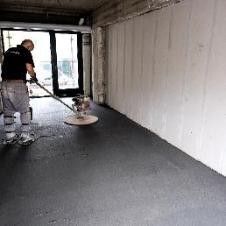
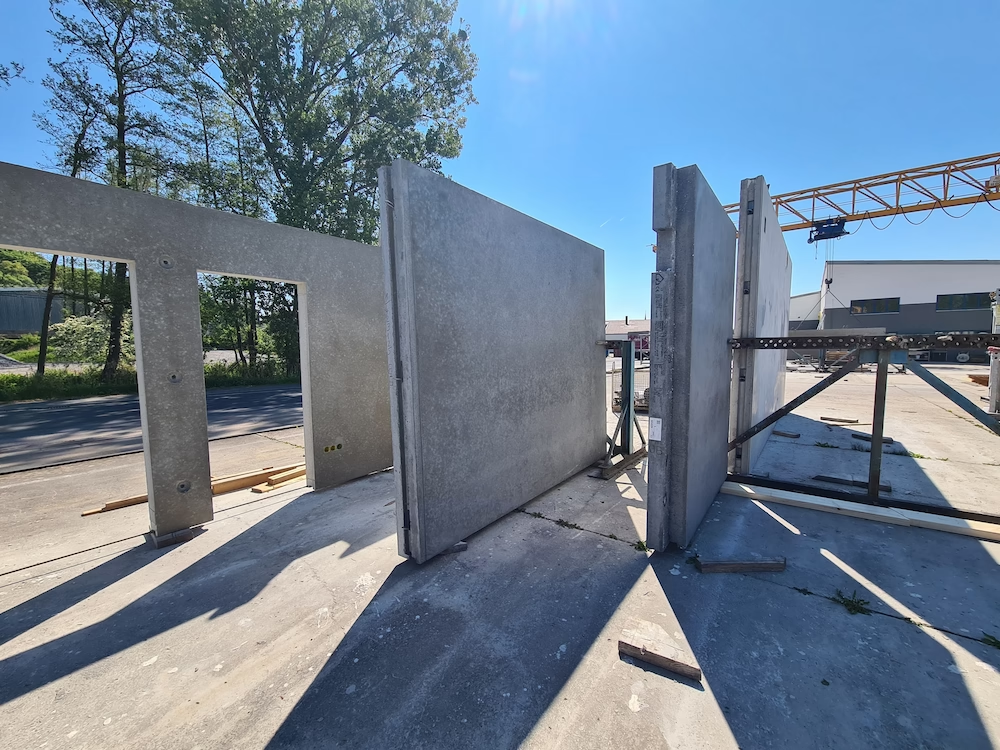
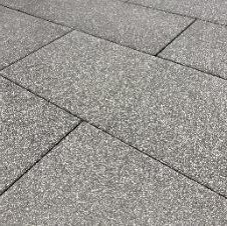
Below are real-world examples of how biochar can be applied in various concrete applications using ecoLocked’s technology.
.jpg)





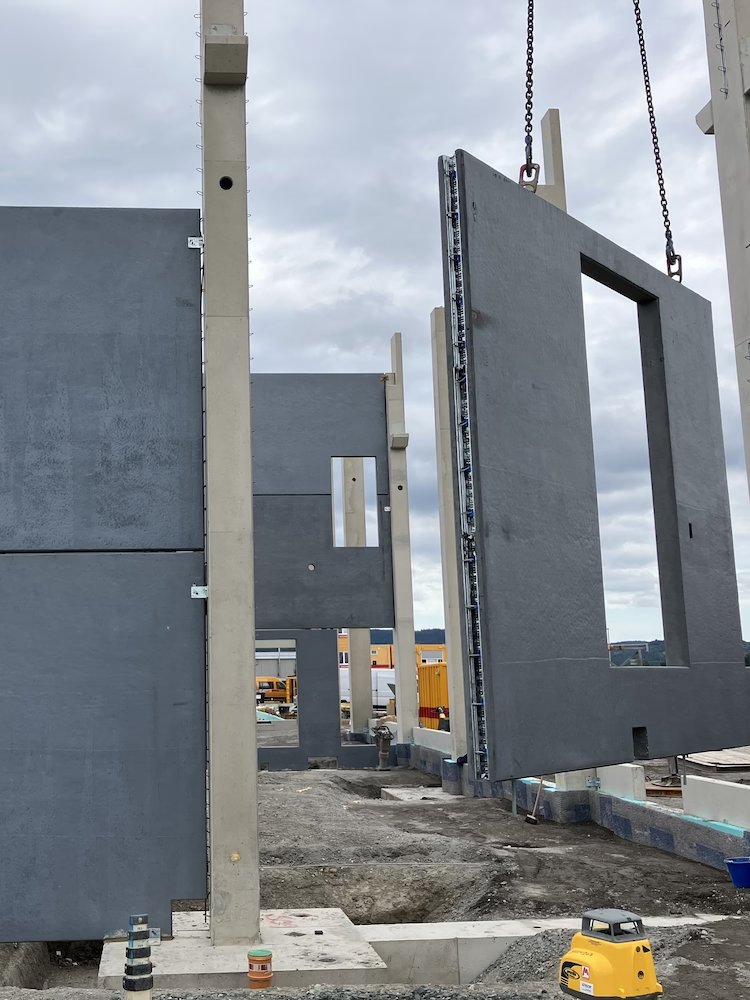
Buildings are the biggest carbon sinks we’re not using yet!
Play your part and team up with us today!
.svg)
.svg)
The Carbon-to-Concrete Platform:
Your gateway to the construction industry
To deliver on these promises, we have built a comprehensive Carbon-to-Concrete Platform, powered by 4+ years of R&D and 800+ tested mixes.
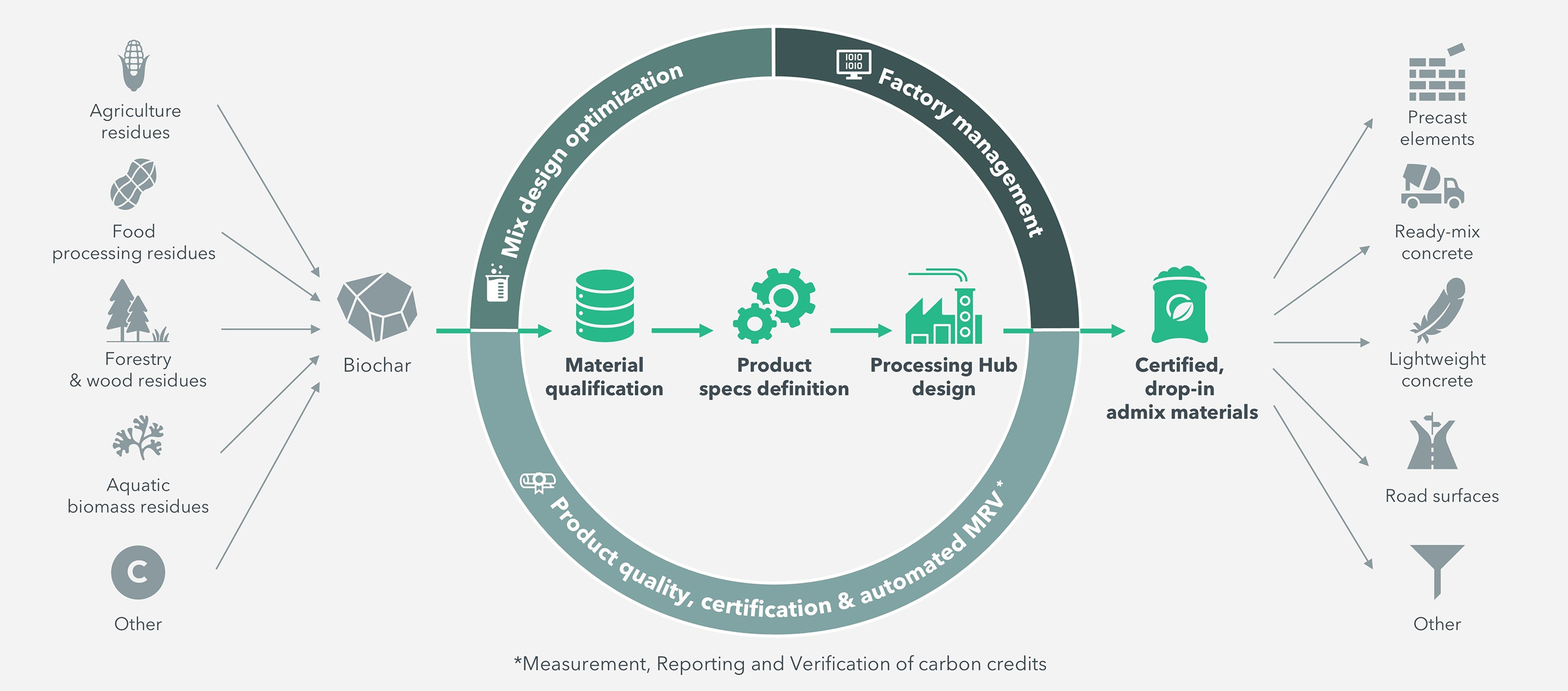


Material qualification
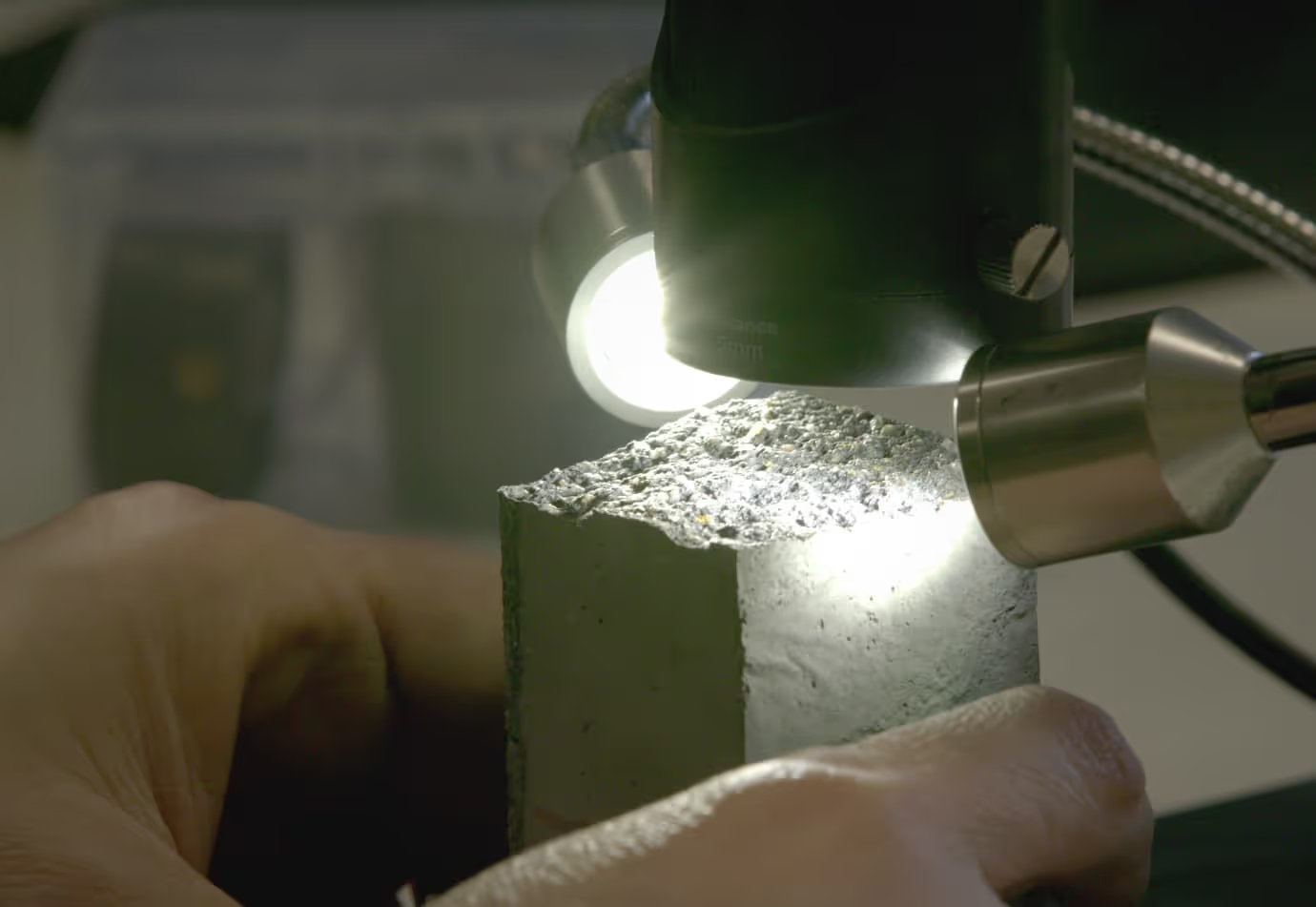
Our performance benchmarking database, which includes data on +100 biochar types, allows for rapid assessment of biomass and biochar suitability across various concrete types, enabling a quick evaluation of performance potential.

Product specs definition
Supported by our Mix Optimization Tool, which predicts concrete performance of biochar-based mixes, we define required product specs (particle size, moisture, format, dosage). This is the basis for processing operations - and for obtaining the necessary certifications to access the concrete market.

Processing Hub design
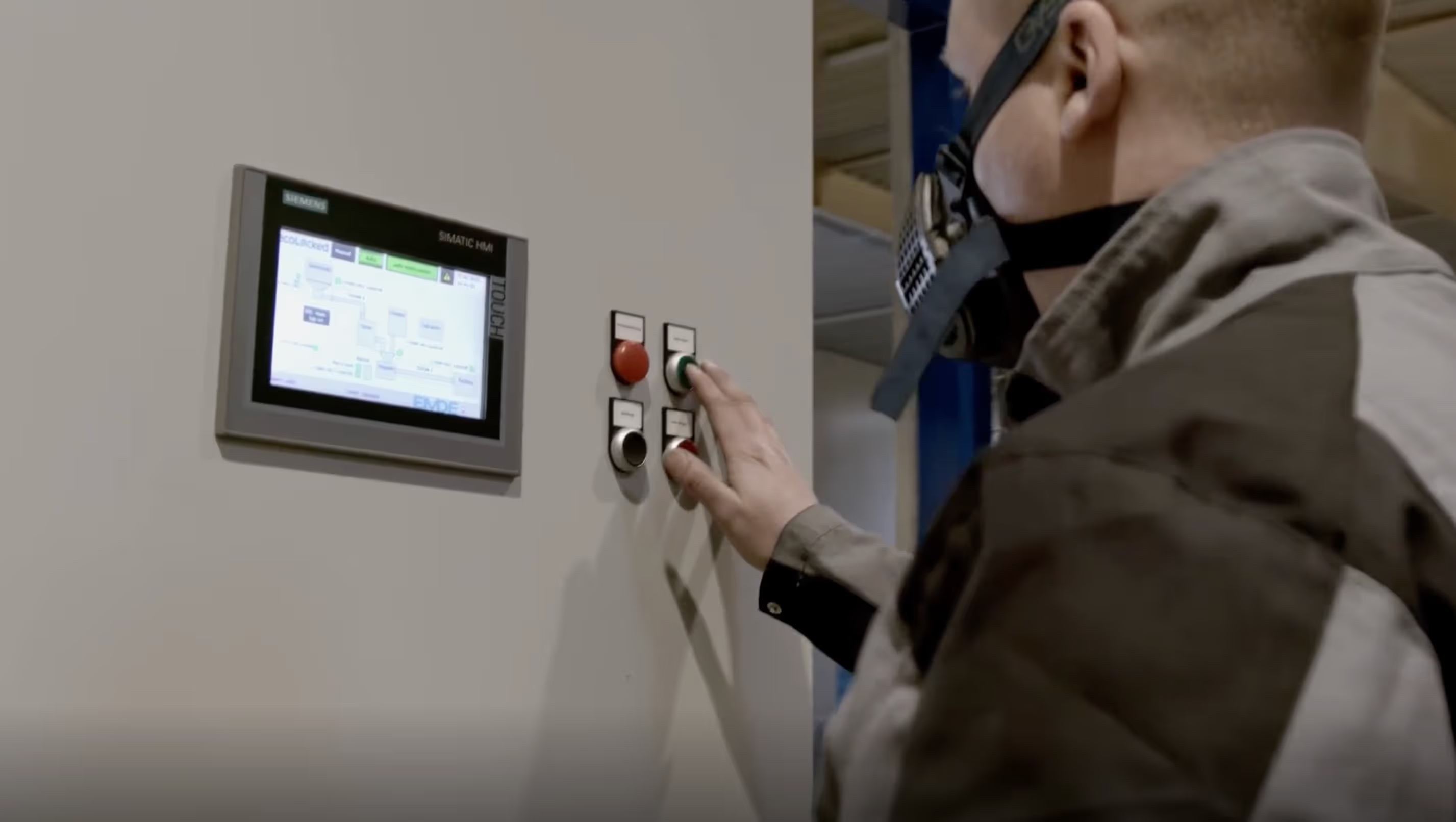
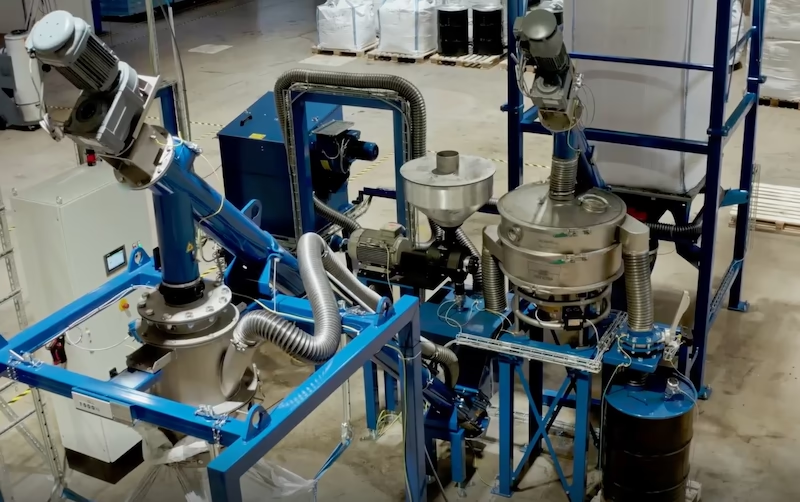
Our proprietary ecoLocked Processing Hub is designed for low-cost conversion of raw biochars into drop-in-ready concrete admix materials - scalable, safe, and with a setup designed to comply with European concrete norms under System 2+ certification and ICROA-endorsed carbon standards. Its modular design allows easy adaptation to diverse concrete markets and applications, and our supporting software suite enables quality consistency, effective hub management, and automated MRV.

Our service and technology modules
These modules can be licensed individually or as a bundled solution, providing partners with direct access to ecoLocked’s know-how and a fast track into new concrete and construction markets.
Pyrolysis Setup Consultation
Feasibility Studies
- Input material properties
- Throughput and product specs
- Energy concept
- Carbon sink potential and certification pathways
Technology Matching
- Technical feasibility assessment
- Cost structure and scalability economics
- Risk assessment and bankability
Concrete Integration System
Intellectual Property
- Feedstock-based concrete performance evaluation
- Biochar product specifications linked to concrete applications
- Application-specific mix design logic (RMC, precast, etc.)
- Concrete certification pathways
- GWP assessments & EPD potential
Tools & Services
- Concrete Mix Optimization & Prediction Tool
- Certification support, onboarding, and technical sales enablement
Processing Hub Technology
Intellectual Property
- Manufacturing specs linked to product delivery formats
- Certifiable processing logic (conditioning, blending, milling, packaging)
- SOPs and quality management system
- Hub architecture and scale-up rules
- New biochar qualification criteria
Tools & Services
- Factory Management
- Engineering coordination for Processing Hub setup, commissioning, and startup
How we work together
Each project is unique. Whether you already have a biochar production set up, are just considering turning your waste biomass streams into biochar, or have concrete production operations and looking to integrate biochar: From opportunity alignment to market launch, we support you every step of the way.

- Collaboration potential
- Principle prdoct-market fit
- Tech feasibility
- Processing needs definition
- Market analysis
- Partnership model & terms
- Strategic agreement signed
- Product specs
- Process. Hub setup
- Compliance & certification
- SOPs
- GtM support
- QS & optimization
- Digital tracking & MRV
- Expansion

FAQs
Which companies are you already working with?

ecoLocked works with:
- Precast concrete plants and ready-mixed concrete manufacturers in Germany, Austria, Switzerland, the Netherlands and the Nordic countries.
- Project developers and construction companies in building construction and infrastructure projects
- International partners as part of our licensing & hub model to target different markets more locally
How does the collaboration process work?
We guide partners through a simple, staged process: from initial alignment to technical feasibility and finally a commercial agreement and implementation. This usually takes 3–6 months. Early steps are light-touch and free. Later steps may involve Technical Service Agreements covering lab tests, engineering concepts, or on-site work. All designed to deliver value even if we don’t continue. At each stage, both sides maintain go/no-go flexibility.
What does a typical trial or pilot involve?
Initial tests require roughly 15 kg of material for concrete cube testing. Biochar producers can send us their material; concrete producers can request ecoLocked Materials for on-site trials. For pilots, our team is typically on site to support integration, mix design, and QA/QC, because early trials run far smoother, and with fewer avoidable errors, when supported by experienced technical staff.
What are the commercial terms?
Pre-agreement work is covered through a Technical Service Agreement, which includes lab testing, performance assessments, and engineering scopes. Once we move into a commercial partnership, the final terms depend on the scope, role split, and market potential of the project. For detailed pricing or example setups, just reach out. We’re happy to walk you through options.
Lock carbon. Unlock new business.
Together we can make buildings the world’s largest human-made carbon sink — and your biochar business profitable and impactful!
Interested in our Carbon-to-Concrete Platform?
Whether you're looking to learn more or ready to launch your Carbon-to-Concrete Platform - we're here to help.
Get in touch with us!

.svg)
.svg)

.svg.png)